

India's flagship skilling program promised jobs but delivered certificates, a recent audit found.
In late 2025, a performance audit tabled in Parliament by the Comptroller and Auditor General of India (CAG) shattered the narrative around India’s flagship skilling programme — the Pradhan Mantri Kaushal Vikas Yojana (PMKVY)[citation:2]. What was designed to convert India’s demographic advantage into employable skills instead became a system driven by certificates, inflated numbers, and weak accountability[citation:1].
Key Audit Findings at a Glance
- Scale vs. Outcome: 1.10 crore certified, but only ~41% placement rate[citation:2][citation:6].
- Financial Mismanagement: ₹14,450 crore outlay; ₹9,261 crore spent; crores in irregularities[citation:6].
- Data Black Hole: 94.53% of bank records unusable; fake emails and photos[citation:5][citation:10].
- No Strategic Plan: Training not aligned with national skill gaps or job demand[citation:2][citation:6].
- Verification Collapse: 87% batches ignored mandatory biometric attendance[citation:2].
📊 Scale vs Reality: What the Audit Found
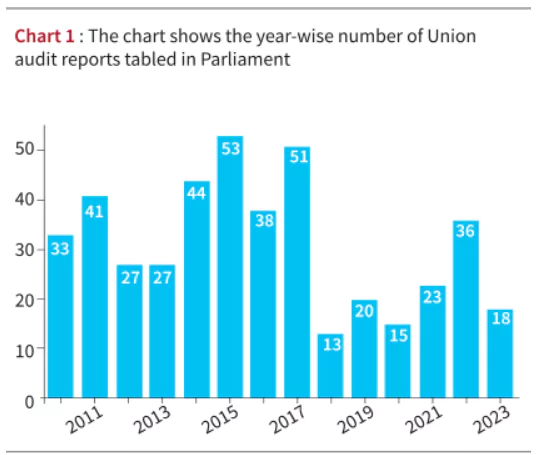
Between 2015 and 2022, PMKVY recorded certification of over 1.10 crore candidates[citation:2]. However, the audit revealed that scale did not translate into outcomes. With a total outlay of ₹14,450 crore, only about ₹9,261 crore was utilized[citation:6].
| Metric | Figure | Source / Implication |
|---|---|---|
| Candidates Certified | 1.10 Crore | Against a target of 1.32 crore[citation:2] |
| Placement Rate (STT/SP) | ~41% | Only 23.18 lakh placed out of 56.14 lakh certified[citation:2][citation:6] |
| Funds Utilized | ₹9,261 Crore | Out of ₹10,194 crore released[citation:6] |
| States with Low Placement | Bihar (~6%), Rajasthan (<1%) | Extremely poor job outcomes in key states[citation:2] |
🚨 A Flagship Scheme Without a Strategic Compass
The CAG audit found a fundamental flaw: PMKVY operated without a long-term strategy[citation:2]. Despite being conceived as a continuing scheme, the Ministry never prepared a long-term National Skill Development Plan during its first three phases[citation:2][citation:6]. This led to training that was disconnected from the economy's needs.
While the national policy indicated over 60% of skill training should be in sectors like construction, logistics, and tourism, PMKVY directed over 40% of its training to just three sectors: retail, electronics, and apparel[citation:6]. Furthermore, nearly 40% of all certifications were concentrated in only 10 generic job roles[citation:2][citation:6].
🔍 The Verification Failure: Biometrics, Ghosts, and Fake Data
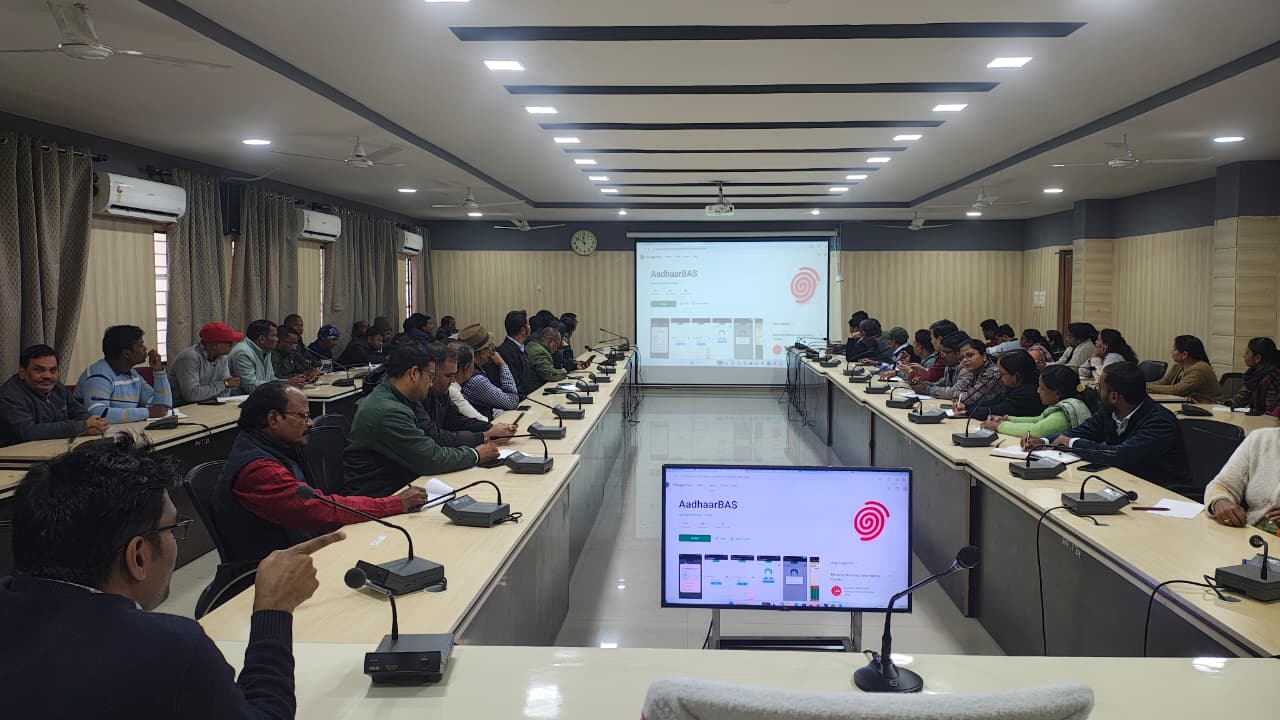
The digital backbone of PMKVY — meant to ensure transparency — failed completely.
Biometric Attendance (AEBAS) Ignored: Mandatory Aadhaar-based biometric attendance was not followed in approximately 87% of the training batches analyzed[citation:2]. In inspections, devices were either not installed or not working[citation:10].
The Data Black Hole: An analysis of PMKVY 2.0 & 3.0 revealed shocking data integrity issues[citation:5]:
- Bank Details: The
bankAccountdetailsfield was blank, null, or zeros in 94.53% of records (90.66 lakh out of 95.90 lakh)[citation:5][citation:10]. Where entered, numbers like "11111111111" were common[citation:6]. - Contact Information: Over 36% of candidate emails failed delivery upon verification. Mobile numbers had fewer than 10 digits or were repetitive (e.g., "1000000000")[citation:6][citation:10].
- Fake Evidence: The CAG found that the same photographs were submitted as evidence for different training programmes across states[citation:6][citation:10].
🏭 The Placement Mirage and the "Certification Factory"
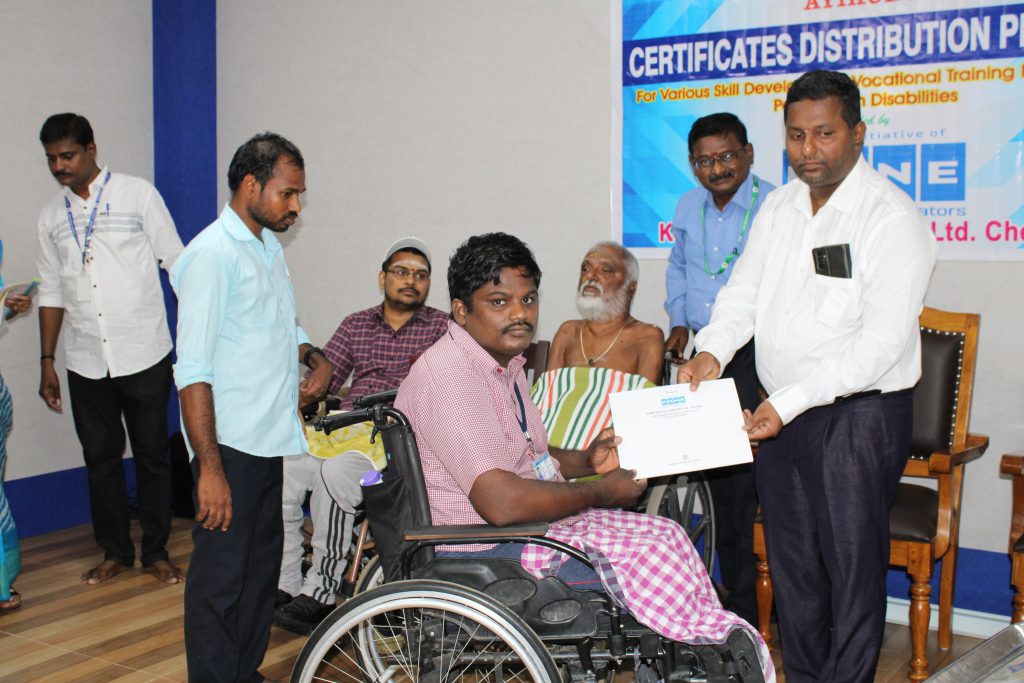
The scheme's ultimate goal—employment—was its weakest link. The overall placement rate for Short Term Training (STT) was only about 41%[citation:2][citation:6]. In states like Bihar and Rajasthan, it plummeted to 6% and less than 1%, respectively[citation:2]. The audit found "incorrect placement documents" were accepted in Kerala, and in Uttar Pradesh, records for over 12,000 supposedly placed candidates were missing[citation:10].
The RPL-BICE Scam
The "Recognition of Prior Learning - Best in Class Employer" (RPL-BICE) component, meant to certify existing skills, became a high-risk area. The CAG found certifications lacked verifiable employer-employee relationships and monitoring records were unreliable[citation:2][citation:10]. In one case, four "Best-in-Class Employers" certified 1.24 lakh candidates, involving an assessment fee of at least ₹9.96 crore, based on suspected or edited evidence[citation:5]. The official defense for duplicate photos was "human error at the time of upload"[citation:5].
💰 Financial Irregularities and Unpaid Benefits
Public funds were mismanaged at multiple levels:
| Issue | Amount / Detail | Reference |
|---|---|---|
| Interest wrongfully retained by NSDC | ₹12.16 crore | [citation:2][citation:6] |
| Excess administrative expenses charged | ₹24.13 crore | [citation:2][citation:6] |
| Unutilized funds at State level | ₹277.40 crore (20% of release) | [citation:5] |
| Candidates who did not receive ₹500 DBT incentive | ~34 lakh candidates | [citation:5] |
| Funds not transferred to District Skill Committees | ₹32.21 crore | [citation:5] |
A survey of trainees revealed about 20% were not even aware of the cash benefits they were entitled to[citation:5][citation:6].
🛠️ What Changed After PMKVY 4.0?
Following the audit, the government claimed corrective reforms for the scheme's fourth phase (launched March 2022), including stricter Aadhaar-based e-KYC, biometric attendance, geo-tagged evidence, and QR-coded certificates[citation:10]. The CAG noted these assurances but stated their effectiveness would be known only upon a future audit[citation:10].
💎 Conclusion: From Certificates to Consequences
The CAG report on PMKVY is not merely an audit — it is a warning. A programme focused on numbers without outcomes risks becoming a certification factory rather than an employment engine. It exposed a system where tracking spending replaced delivering outcomes[citation:2].
India's demographic dividend is a shrinking window[citation:1]. As one analysis starkly put it, the audit asks the hard question: "Are we certifying skills—or just certifying spending?"[citation:9]. If India is to truly benefit, skilling must shift from scale-driven optics to outcome-driven accountability, where every certificate represents a real skill and a genuine opportunity.
This analysis is based on the CAG Performance Audit Report No. 20 of 2025 and related investigative reports.