

The global financial landscape is witnessing a significant shift as BlackRock, the world’s largest asset manager, recently announced it would limit withdrawals from its flagship HPS Corporate Lending Fund (HLEND). This move has sent ripples through the private credit market, causing a sharp 7.2% drop in BlackRock’s stock price as investors weigh the risks of illiquid assets.
For Indian investors and global market observers, this development serves as a crucial warning. As private credit gains popularity in India via Alternative Investment Funds (AIFs), understanding the liquidity constraints and valuation transparency of these "shadow banking" structures is essential for protecting capital.
Understanding BlackRock’s Withdrawal Limit Decision
In a move that surprised many market participants, BlackRock confirmed that its HLEND fund would strictly enforce its 5% quarterly redemption limit. This decision came after investors submitted requests to withdraw 9.3% of the fund’s total shares, nearly double the allowed threshold.
According to official filings, this is the first time in the fund’s four-year history that redemption requests have exceeded the 5% cap. Consequently, investors seeking the remaining 4.3% in liquidity must now wait for future redemption windows, highlighting the inherent liquidity risk in private debt instruments.

Private Credit vs. Public Debt: The Liquidity Mismatch
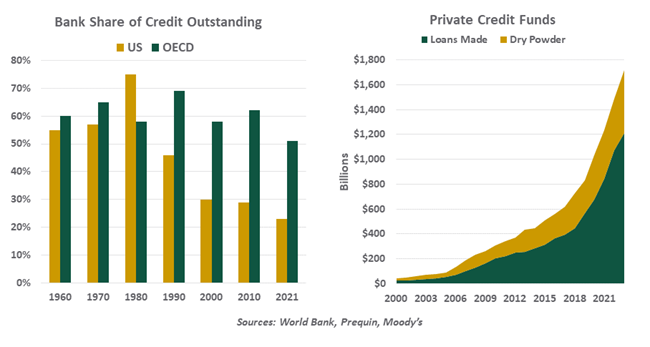
Private credit funds like HLEND operate differently than standard mutual funds. They provide direct loans to midsize companies, bypassing traditional banks. While these funds offer higher yields (HLEND has delivered a 10.7% annualized return), they are essentially "closed-door" deals that cannot be sold instantly on an exchange.
| Feature | Private Credit Funds (e.g., HLEND) | Public Debt/Bonds |
|---|---|---|
| Target Borrower | Mid-sized private companies | Large corporations/Governments |
| Liquidity | Limited (Quarterly caps) | High (Daily trading) |
| Expected Yield | Higher (10% - 12%+) | Lower (Market rates) |
| Valuation | Periodic (Mark-to-model) | Real-time (Mark-to-market) |
The table above illustrates the trade-off between high returns and limited access to cash. Fund managers argue that these limits prevent "fire sales" of loans, which would hurt long-term investors, but for those needing immediate cash, the redemption gates are a significant barrier.
BlackRock vs Blackstone: Divergent Strategies
The market's reaction was intensified by the contrasting approach of Blackstone. When Blackstone's $82 billion BCRED fund faced withdrawal requests totaling 7.9%, the firm chose to honor all requests instead of enforcing its 5% cap. To maintain confidence, senior Blackstone employees invested $150 million of their own money into the fund.
BlackRock’s decision to "gate" the fund suggests a more conservative approach to asset-liability management, whereas Blackstone prioritized investor sentiment. However, both firms have seen their share prices struggle, with Blackstone and other peers like Apollo and KKR down significantly this year.
Related Articles from MoneyMinted.in:
What This Signals for the Future of Private Credit
The private credit industry, valued at over $1.7 trillion globally, is facing its first major test in a high-interest-rate environment. Three major red flags have emerged:
- Rising Default Risks: High-profile defaults are increasing as mid-sized companies struggle with debt servicing.
- Valuation Transparency: Both BlackRock and Apollo Global Management recently wrote down loans to zero that were marked at full value just months prior.
- Systemic Liquidity Pressure: Other firms, including Blue Owl Capital, are also seeing a surge in redemption requests.

Frequently Asked Questions
Why did BlackRock limit withdrawals from the HLEND fund?
BlackRock enforced a 5% quarterly redemption cap because withdrawal requests hit 9.3%. This is designed to protect the fund from selling long-term loans at a loss to meet short-term cash demands.
Is private credit a safe investment for retail investors?
Private credit is generally considered high-risk and semi-liquid. It is best suited for institutional investors or high-net-worth individuals who do not need immediate access to their capital.
How does this impact the Indian stock market?
While this is a US-centric event, it signals a global tightening of credit. Indian AIFs (Alternative Investment Funds) focusing on private debt may face similar scrutiny regarding their valuation methods and liquidity terms.
Key Takeaways
- Liquidity Gates are Real: Investors in private funds must be prepared for periods where they cannot withdraw their money.
- Yield vs. Access: The 10.7% returns in private credit come at the cost of limited liquidity and transparency.
- Sector Reset: The 25%+ decline in private credit firm stocks suggests the industry is undergoing a valuation correction.
Disclaimer
This article is for informational purposes only and does not constitute financial, tax, or legal advice. Please consult a qualified professional before making decisions.
For professional inquiries regarding MoneyMinted blog, contact us at [email protected]