

India's Goods and Services Tax (GST) collection reached ₹1.74 lakh crore in December 2025, marking a 6.1% year-on-year growth compared to ₹1.64 lakh crore collected in December 2024. This growth rate represents the highest increase in the past three months, signaling robust economic activity and improved tax compliance despite recent GST rate rationalization.
The December 2025 figures reflect strong domestic consumption during the festive and wedding season, enhanced tax collection mechanisms, and significant growth in import-related revenues. According to official data released by the GST Council, net GST revenue for the month stood at ₹1.45 lakh crore, up 2.2% from the previous year.
December 2025 GST Collection Breakdown
The GST revenue data shows diverse performance across different categories. Domestic transactions and import-related collections both contributed to the overall growth, though at varying rates.
| Revenue Category | December 2024 | December 2025 | Growth Rate |
|---|---|---|---|
| Gross GST Revenue | ₹1,64,556 crore | ₹1,74,550 crore | 6.1% |
| Domestic Transactions | ₹1,21,118 crore | ₹1,22,574 crore | 1.2% |
| Import Revenue | ₹43,438 crore | ₹51,977 crore | 19.7% |
| Net GST Revenue | ₹1,42,417 crore | ₹1,45,570 crore | 2.2% |
The data clearly shows that while domestic GST collections grew modestly at 1.2%, import-related GST revenue surged by 19.7%, providing a significant boost to overall collections. This import revenue growth compensated for the slower domestic transaction growth, which was impacted by the GST rate rationalization implemented on September 22, 2025.

Why GST Growth Matters for India's Economy
The 6.1% growth in GST collections represents the highest monthly growth rate in three months, indicating economic resilience. The increase is particularly significant given that September 2025 saw major GST reforms that reduced rates from four slabs (5%, 12%, 18%, 28%) to just two main slabs (5% and 18%).
- Fiscal Health: Higher GST revenues strengthen the government's fiscal position, providing more resources for infrastructure development and social welfare programs
- Economic Indicator: GST collections serve as a real-time measure of economic activity, consumption patterns, and business sentiment across India
- Compliance Improvement: The consistent growth reflects better tax compliance through e-invoicing, data analytics, and reduced tax evasion
- State Revenue Sharing: According to official GST data, post-settlement SGST for December 2025 reached ₹79,584 crore, up 6% from ₹75,355 crore in December 2024
Cumulative GST Performance: April-December 2025
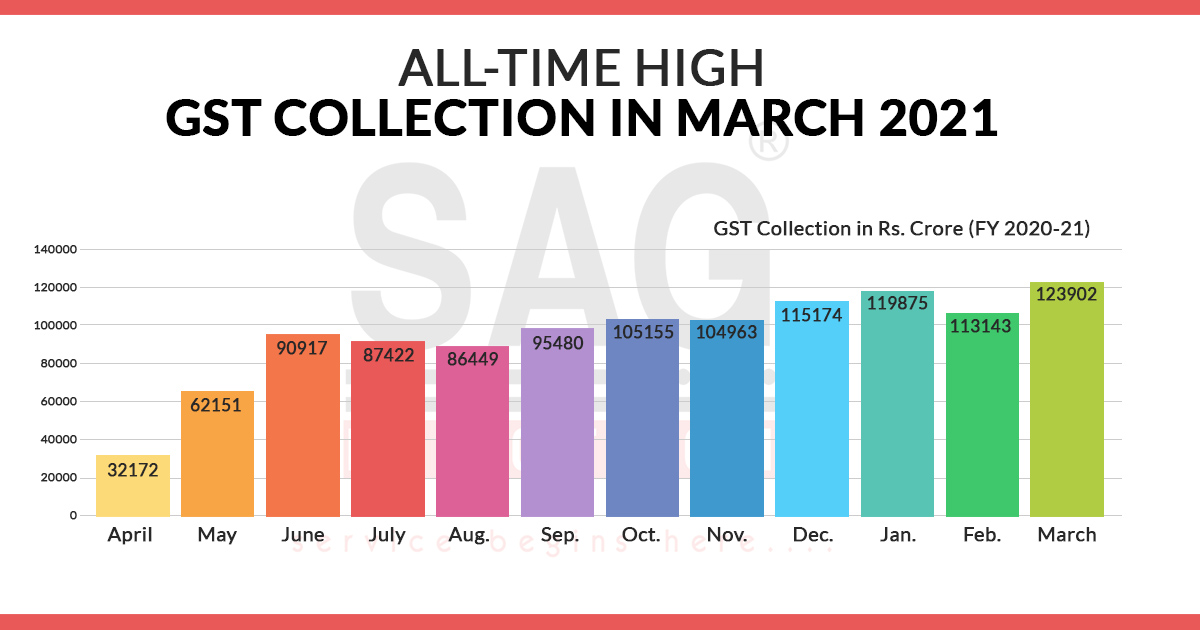
For the nine-month period from April to December 2025, India's GST collections demonstrated strong momentum. The cumulative figures provide a clearer picture of the overall tax revenue health.
| Parameter | April-Dec 2024 | April-Dec 2025 | Growth |
|---|---|---|---|
| Gross GST Collections | ₹15,19,797 crore | ₹16,50,039 crore | 8.6% |
| Net GST Collections | ₹13,34,873 crore | ₹14,25,006 crore | 6.8% |
| CGST Component | ₹3,04,350 crore | ₹3,27,496 crore | 7.6% |
| SGST Component | ₹3,77,911 crore | ₹4,04,315 crore | 7.0% |
The year-to-date figures reveal that despite one-time shocks from GST rate cuts, the overall collection trend remains positive with 8.6% gross revenue growth. This performance exceeds expectations and demonstrates the underlying strength of India's consumption-driven economy.
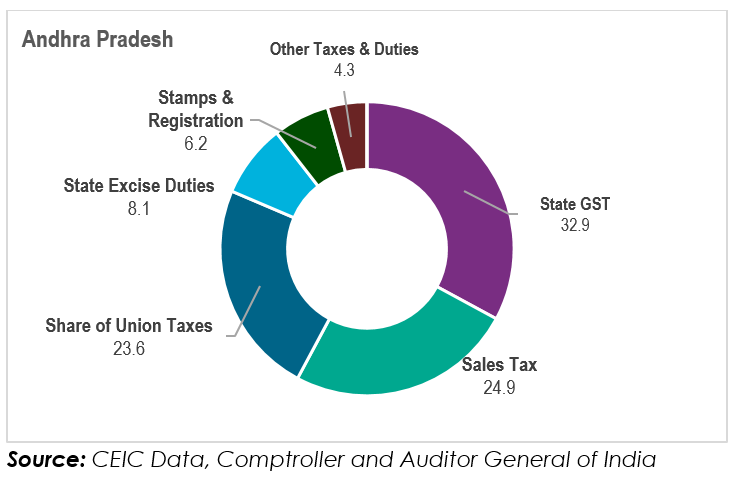
State-Wise GST Performance Highlights
The December 2025 GST data reveals significant regional variations in revenue growth. Major industrial and commercial hubs continue to lead collections, while several states showed exceptional growth rates.
Top Contributing States
- Maharashtra: Post-settlement SGST of ₹16,140 crore (15% growth YoY) - highest contributor to GST revenue
- Gujarat: ₹6,351 crore (12% growth) - strong manufacturing and export activity
- Karnataka: ₹6,716 crore (5% growth) - IT services and consumption driving revenues
- Tamil Nadu: ₹5,992 crore (8% growth) - balanced industrial and consumer goods performance
- Haryana: ₹3,629 crore (16% growth) - exceptional performance driven by automotive and manufacturing
Declining State Revenues
Some states experienced negative or minimal growth, primarily due to reduced cess collections and impact of GST rate rationalization:
- Chhattisgarh: -28% growth in post-settlement SGST
- Jharkhand: -17% decline due to mining sector adjustments
- Odisha: -12% reduction impacted by cess changes
- Jammu & Kashmir: -8% decline in both pre and post-settlement collections
Impact of GST Rate Rationalization
The GST Council's decision in September 2025 to simplify the tax structure from four slabs to two main rates (5% and 18%) significantly impacted December collections. A special 40% luxury and sin tax rate was introduced for premium vehicles, tobacco products, and aerated drinks.
Despite fears of revenue loss, the rationalization has resulted in increased compliance and broader tax base. The domestic transaction growth of 1.2% is modest but stable, while the dramatic 19.7% surge in import GST demonstrates robust external trade and border tax collection efficiency.
Cess Collection Trends
A notable decline was observed in compensation cess collections, which dropped from ₹12,003 crore in December 2024 to just ₹4,238 crore in December 2025. This 65% decrease reflects the phase-out of compensation cess mechanisms as states transition to self-sufficient GST revenue models.
The cess, originally designed to compensate states for revenue losses during GST transition, is being discontinued as a transitory arrangement. According to official government statements, cess will continue only until entire loan and interest liabilities are fully discharged.
Key Drivers Behind December's Strong Performance
1. Festive and Wedding Season Spending
December 2025 coincided with peak wedding season and year-end shopping, driving consumption across retail, hospitality, jewelry, and consumer durables sectors. This seasonal demand boosted domestic transaction volumes.
2. Enhanced E-Invoicing and Compliance
The mandatory e-invoicing system for businesses with turnover above ₹5 crore has significantly improved data matching and reduced invoice manipulation. Advanced analytics by tax authorities have curbed evasion and improved voluntary compliance.
3. Import Surge
The 19.7% jump in import GST collections indicates robust external trade activity. Higher imports of electronics, machinery, and consumer goods contributed significantly to overall revenue growth.
4. Better Taxpayer Registration
GST registrations have expanded from 65 lakh taxpayers in 2017 to over 1.51 crore as of December 2025, bringing more businesses into the formal tax net and broadening the revenue base.
Related Articles from MoneyMinted.in:
What Experts Are Saying
Tax experts and analysts view the December 2025 GST collections positively despite the rate rationalization impact. Manoj Mishra, Partner and Tax Controversy Management Leader at Grant Thornton Bharat, noted that "strong contributions from Maharashtra, Gujarat, Karnataka and Haryana continue to anchor revenues."
Economists emphasize that the consistent 6.1% growth demonstrates India's economic resilience amid global uncertainties. The data suggests that consumption patterns remain healthy, and the formalization of the economy continues to progress steadily.
Outlook for Future GST Collections
Looking ahead to January-March 2026, several factors will influence GST revenue trends:
- Input Tax Credit Reconciliation: Year-end adjustments and ITC reconciliations typically boost Q4 collections
- Economic Activity: Ongoing infrastructure projects and manufacturing activity will support steady revenue growth
- Global Trade Conditions: Import GST will depend on international commodity prices and trade dynamics
- Compliance Measures: Continued focus on e-invoicing and data analytics will further improve collections
The government expects GST collections to stabilize in the ₹1.70-1.80 lakh crore range monthly, with potential upside from improved compliance and economic growth. However, any global economic slowdown or domestic consumption weakness could moderate growth rates.
Frequently Asked Questions
What was India's GST collection in December 2025?
India collected ₹1,74,550 crore in gross GST revenue during December 2025, representing a 6.1% increase compared to ₹1,64,556 crore collected in December 2024. This marks the highest monthly growth rate in three months.
Why did import GST grow faster than domestic GST?
Import-related GST revenue surged 19.7% to ₹51,977 crore, while domestic GST grew just 1.2%. This disparity occurred because the September 2025 GST rate rationalization reduced domestic tax rates, while import duties and GST on imported goods remained largely unchanged, leading to higher import collections.
Which states contributed the most to GST revenue in December 2025?
Maharashtra led with ₹16,140 crore (15% growth), followed by Gujarat with ₹6,351 crore (12% growth), Karnataka with ₹6,716 crore (5% growth), Tamil Nadu with ₹5,992 crore (8% growth), and Haryana with ₹3,629 crore (16% growth).
How does GST collection affect common taxpayers?
Strong GST revenue growth benefits taxpayers indirectly by providing the government with fiscal resources for infrastructure, healthcare, education, and social welfare programs. Stable revenues also reduce pressure to increase tax rates or introduce new taxes.
What is compensation cess and why did it decline?
Compensation cess was a temporary levy introduced during GST implementation to compensate states for revenue losses. It declined from ₹12,003 crore in December 2024 to ₹4,238 crore in December 2025 because the cess is being phased out as states achieve self-sufficient GST revenue streams. The cess will continue only until outstanding loan liabilities are fully repaid.
Will GST rates change again in 2026?
The GST Council continuously reviews tax rates based on revenue needs and economic conditions. After the major September 2025 rationalization, further changes are unlikely in the near term. However, specific goods and services may see rate adjustments based on policy priorities and revenue requirements.
Key Takeaways
- December 2025 GST collections reached ₹1.74 lakh crore, growing at the highest rate (6.1%) in three months
- Import GST surged 19.7% while domestic collections grew modestly at 1.2% due to September rate rationalization
- Maharashtra, Gujarat, Karnataka, Tamil Nadu, and Haryana remain top revenue contributors
- Year-to-date (April-December 2025) gross GST revenue grew 8.6% to ₹16.50 lakh crore
- Enhanced e-invoicing, data analytics, and improved compliance continue to strengthen revenue collections
- Compensation cess declined 65% as the transitional mechanism phases out
- Strong GST performance indicates economic resilience and healthy consumption patterns despite global uncertainties
Disclaimer
This article is for informational purposes only and does not constitute financial, tax, or legal advice. GST rules, rates, and collection data are subject to periodic revisions by the GST Council and government authorities. Readers should consult qualified tax professionals or refer to official GST portal for specific compliance requirements. All data cited is based on official government publications available as of January 1, 2026.
For professional inquiries regarding MoneyMinted blog, contact us at [email protected]