
GSTR-1 filing is a mandatory GST compliance used to report all outward supplies made by a registered taxpayer. Any mistake in this return directly affects the buyer’s GSTR-2B and may block eligible input tax credit.
This guide explains GSTR-1 filing step by step in simple language for Indian business owners, accountants, and first-time GST filers.
What is GSTR-1 and Why It Matters
GSTR-1 is a monthly or quarterly GST return that captures invoice-wise details of sales made during a tax period. The GST system auto-populates buyer ITC based on this return.
According to the Central Board of Indirect Taxes and Customs, incorrect reporting in GSTR-1 may lead to ITC mismatch, notices, and penalties.

Who Needs to File GSTR-1
All regular GST-registered taxpayers making outward supplies must file GSTR-1. Filing frequency depends on annual turnover.
| Annual Turnover | Filing Frequency |
|---|---|
| Above ₹5 Crore | Monthly |
| Up to ₹5 Crore | Quarterly (QRMP Scheme) |
The GST Network publishes due dates and updates through official notifications on gst.gov.in.
Step-by-Step Process to File GSTR-1
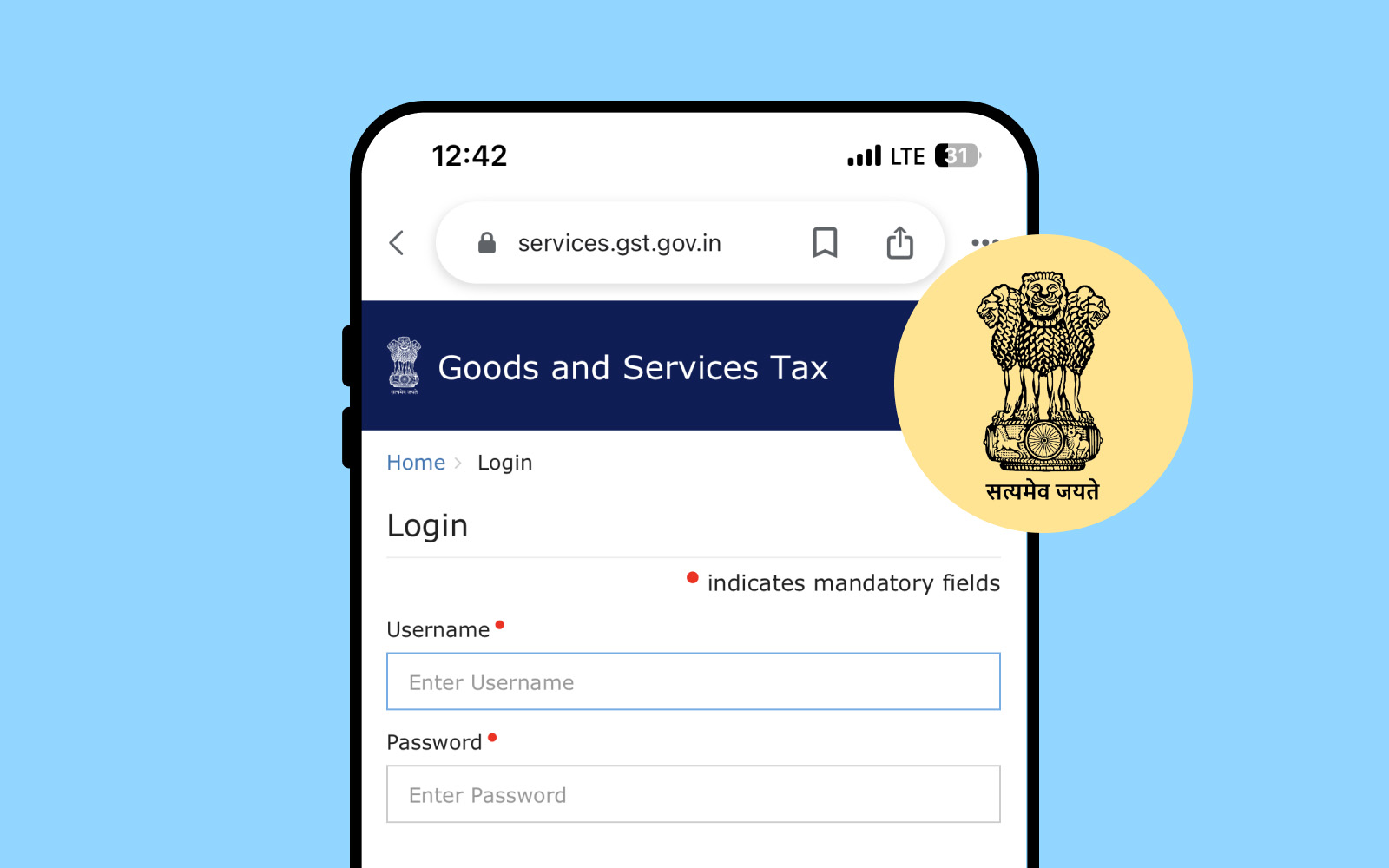
- Login to the GST portal using valid credentials
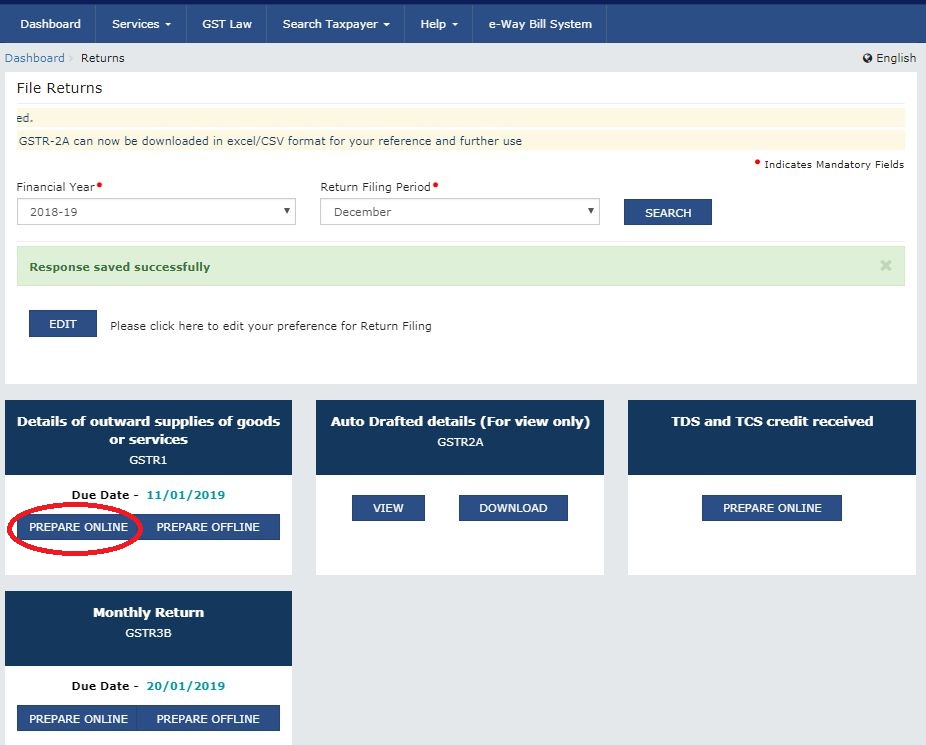
- Navigate to Services → Returns → Returns Dashboard
- Select financial year and return period
- Click Prepare Online under GSTR-1
The GST portal workflow is governed by rules notified by the Ministry of Finance.

Invoice Reporting Sections Explained
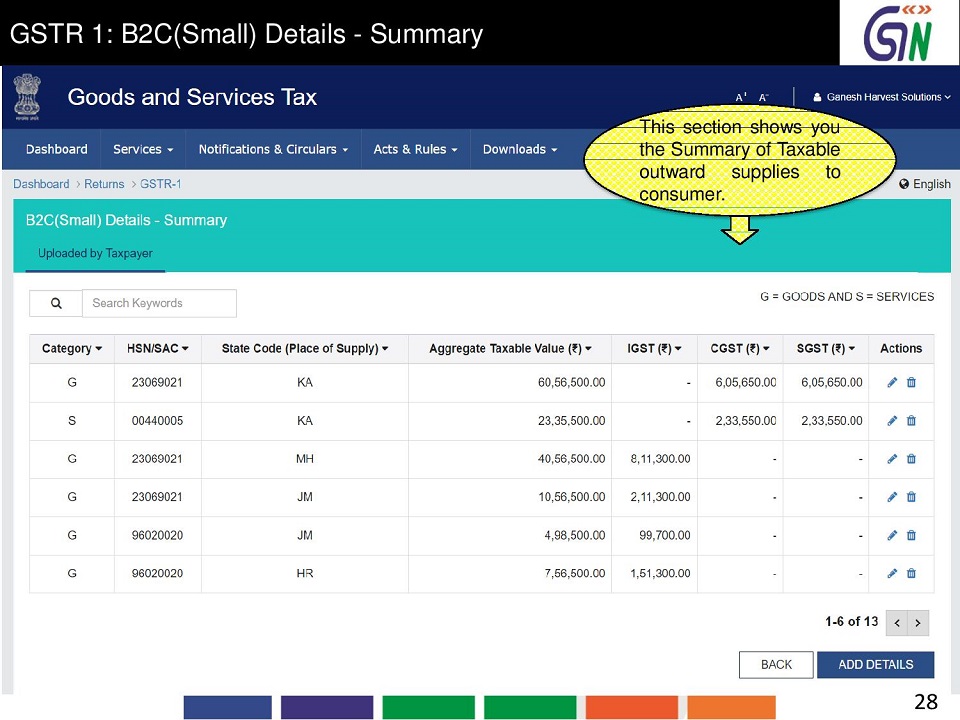
GSTR-1 requires invoice-level reporting under different tables based on customer type and transaction nature.
- B2B Invoices: Sales to registered customers with GSTIN
- B2C Large: Inter-state sales above ₹2.5 lakh
- B2C Small: Retail sales below ₹2.5 lakh
- Credit/Debit Notes: Sales returns or price adjustments
Late Fees and Penalties
Late filing of GSTR-1 attracts statutory fees under GST law.
| Return Type | Late Fee |
|---|---|
| Normal Return | ₹50 per day (₹25 CGST + ₹25 SGST) |
| Nil Return | ₹20 per day (₹10 CGST + ₹10 SGST) |
The maximum late fee is capped at ₹5,000 as notified by the GST Council.

Common Mistakes to Avoid
- Incorrect GSTIN of customers
- Mismatch between GSTR-1 and GSTR-3B
- Missing invoices or duplicate entries
- Incorrect HSN codes and tax rates
Related Articles from MoneyMinted.in:
Frequently Asked Questions
Is GSTR-1 mandatory even if no sales were made?
Yes. Taxpayers must file a nil GSTR-1 if there are no outward supplies during the period.
Can GSTR-1 be revised after filing?
No. Errors can only be corrected in subsequent returns through amendments.
Does GSTR-1 affect my customer?
Yes. Incorrect filing may block your customer’s ITC in GSTR-2B.
Key Takeaways
- GSTR-1 is critical for buyer ITC eligibility
- Accurate invoice reporting avoids GST notices
- Timely filing prevents penalties and business disputes
Disclaimer
This article is for informational purposes only and does not constitute financial, tax, or legal advice. Please consult a qualified professional before making decisions.
For professional inquiries regarding MoneyMinted blog, contact us at [email protected]