

India's digital tax ecosystem is set to undergo a major regulatory transformation with the implementation of the GST E-Way Bill Rule Change 2026. Starting from June 2026, the central government is introducing critical overhauls designed to tighten commercial supply chain monitoring, streamline real-time transport logs, and minimize systemic tax evasions. These updates mandate strict "Ship-To" reporting metrics alongside an innovative delivery verification feature that will reshape daily billing workflows across the country.
For thousands of Indian manufacturers, Micro, Small, and Medium Enterprises (MSMEs), transport contractors, and warehouse aggregators, early adoption of these procedures is vital. Moving beyond standard document verification, these reforms transition the logistics sector into a unified, digitally authenticated verification space. Understanding the core technical variances between historical practices and the upcoming statutory protocols will prevent severe operational disruptions and penalties.
The Two Pillars of the 2026 E-Way Bill Overhaul
The updated infrastructure introduced by the GST Network focuses primarily on plugging verification gaps regarding destination tracking. Previously, transit documents clearly recorded the identity of the billing entity, but mapping the physical drop-off destination often proved challenging for audit teams. The new framework introduces strict technical checkpoints to resolve this issue.
The upcoming system establishes a continuous loop of digital compliance starting from the initial factory dispatch up to the final physical drop-off point. It enforces transparency by assigning unique identifiers to every stakeholder in the delivery chain.
Understanding Closure vs Cancellation Frameworks
A key area of confusion for businesses is distinguishing between the brand-new "Closure" functionality and the pre-existing "Cancellation" mechanisms. The table below details the operational differences between these two states:
| Compliance Feature | Primary Operational Meaning | Systemic Trigger Conditions & Deadlines |
|---|---|---|
| E-Way Bill Cancellation | The intended transit of commercial goods never commenced, or the document was generated with errors. | Must be executed strictly within 24 hours of the document's initial generation on the portal. |
| E-Way Bill Closure | The consignment successfully reached its destination, concluding the active transit lifecycle. | Executed upon successful physical arrival at the recipient's premises on the same or next calendar day. |
As outlined in the comparison table, E-Way Bill Cancellation remains a corrective mechanism reserved for situations where a shipment is aborted before dispatch. In contrast, the upcoming E-Way Bill Closure functions as a digital confirmation of successful delivery. This acts as an immutable electronic proof of receipt within the national logistics ledger.
Core Execution Guidelines and Mandatory Timelines
To ensure a smooth transition, the administrative rollout splits these functionalities into distinct structural compliance phases across the industrial transport sectors:
- Mandatory "Ship-To" GSTIN Rule: When dispatching goods to any registered commercial entity, entering their active, valid GSTIN is strictly required. For unregistered buyers, users must select the URP (Unregistered Person) option to complete document generation.
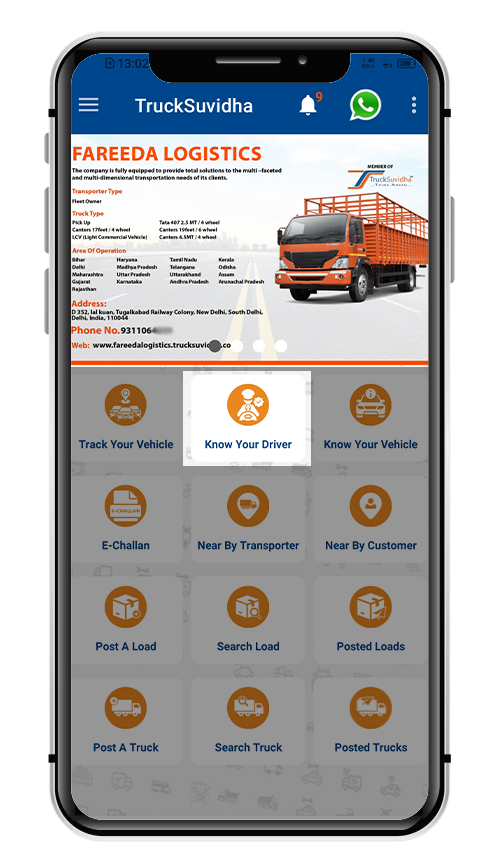
- OTP-Based Mobile Verification: Drivers and on-ground logistics personnel can verify deliveries directly using a simplified mobile interface. This process involves entering the document details, a registered mobile number, and completing a secure One-Time Password validation.
- Voluntary Integration Phase: The portal updates are scheduled to go live in mid-June 2026 as a voluntary feature to help organizations test system compatibility.
- ERP Upgrades: Businesses must quickly update their accounting masters and Enterprise Resource Planning (ERP) setups across popular platforms, including Central Board of Indirect Taxes and Customs approved nodes, Tally, SAP, Oracle, and Zoho Books.
Related Articles from MoneyMinted.in:
Operational Impact on Indian MSMEs and Transporters
While large-scale conglomerates with automated IT setups can transition quickly, small scale enterprises may experience initial deployment bottlenecks. Ground transport staff, including regional truck drivers, must be trained to handle automated verification tasks. Overcoming these initial training hurdles will be crucial for maintaining efficient freight cycles.
However, the long-term benefits are substantial. Maintaining a clean, digitally closed transit history improves corporate compliance tracking profiles. This transparent record lowers an enterprise's overall risk score on government portals, minimizing transit inspections, fast-tracking automated input tax credit matching, and drastically reducing costly tax litigation.
Frequently Asked Questions
Who holds the authority to mark an E-Way bill as closed under the new rules?
The closure protocol offers significant operational flexibility. It can be initialized and executed directly by the suppliers, the end recipients, registered transport companies, or the transit vehicle driver via the mobile validation framework.
What is the official deadline for executing an active cargo closure?
The transit record must be closed promptly. The portal parameters require validation to be completed on the exact calendar date of physical delivery, or at the latest, by the immediate next calendar day.
How does the mandatory Ship-To GSTIN rule curb circular trading fraud?
By forcing the explicit recording of either a valid buyer GSTIN or a verified URP marker, the government prevents bad actors from creating fake delivery routes. This mechanism ensures that tax credits match the actual physical movement of merchandise.
Key Takeaways
- The GST E-Way Bill Rule Change 2026 updates focus heavily on mandatory Ship-To GSTIN logging and real-time delivery confirmations.
- An innovative digital "Closure" system will launch in mid-June 2026 to provide electronic proof of delivery using mobile OTP validation.
- The update helps minimize unfair marketplace practices like circular trading, untraceable cargo transport, and fake invoice generation.
- Organizations must quickly update their ERP platforms and train ground transport logistics personnel to handle the new verification steps.
Disclaimer
This comprehensive guide is prepared for informational and educational purposes only and does not constitute official tax compliance or legal advisory services. Implementation timelines and system frameworks remain subject to changes based on upcoming GST Council circulars. Consult a certified tax practitioner before modifying corporate accounting architectures.
For professional inquiries regarding the MoneyMinted blog, contact us at [email protected]